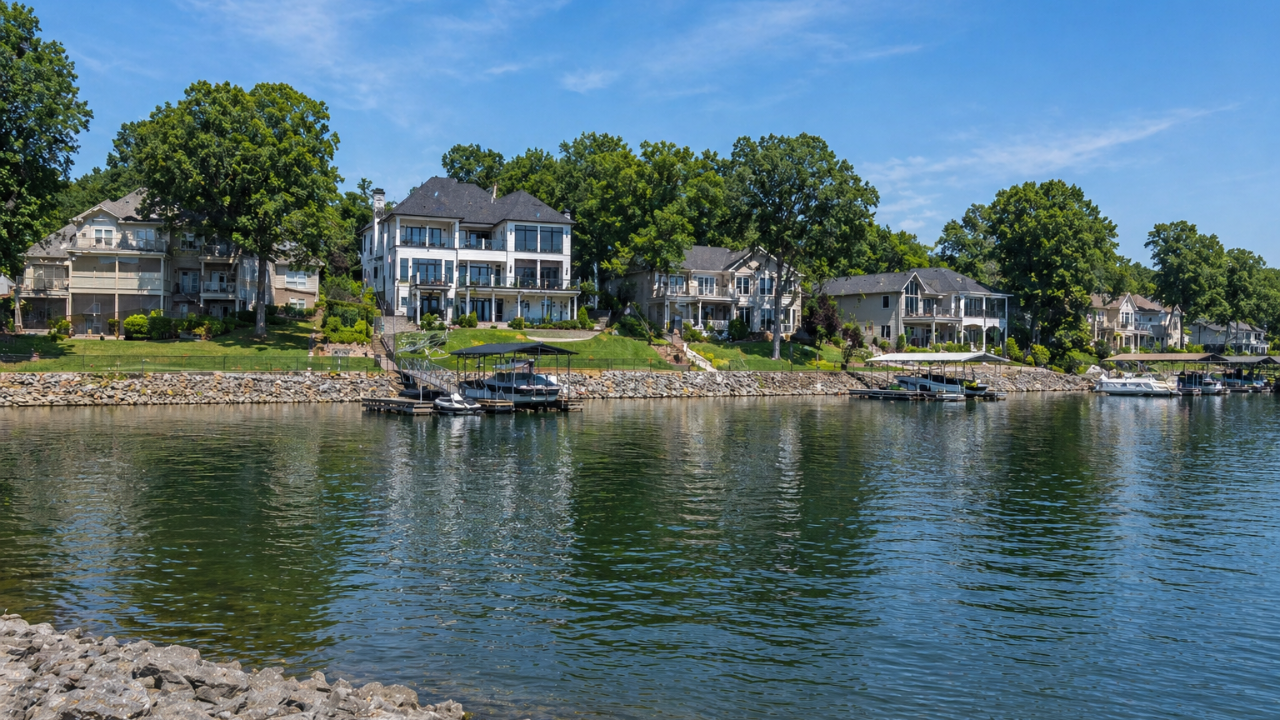
Lake Norman Dock Permits: What Buyers and Sellers Must Know
Buying or selling a waterfront home on Lake Norman comes with a step most agents overlook: the dock permit.
A permit plate on the dock is not enough. The permit must be registered in the current owner’s name, and if it is not, Duke Energy Lake Services will not release any documentation to anyone, including your real estate agent, your closing attorney, or the buyer. The transfer process can take up to 45 days. If you wait until you are under contract to deal with it, you may be looking at a delayed or complicated closing.
Here is exactly how the process works and what you should do before you list or before you close.
Who Governs Docks on Lake Norman?
Duke Energy Lake Services is the sole authority over all shoreline structures on Lake Norman. That includes docks, piers, boathouses, boat lifts, and any modification to the shoreline itself. This authority comes from Duke Energy’s federal operating license through FERC (the Federal Energy Regulatory Commission).
Owning a waterfront property does not automatically grant the right to keep, modify, or transfer a dock. Every permitted structure must go through Duke Energy’s approval process.
Duke Energy Lake Services contact information:
- Email: [email protected]
- Phone: (704) 382-8086 or (800) 443-5193
The Permit Plate: What It Means and What It Does Not Mean
Every permitted dock on Lake Norman should have a small metal plate attached to it showing the permit number. Duke Energy uses this tag to locate the permitting history for the structure.
The plate tells you a permit exists. It does not tell you who it is registered to.
A plate on the dock means the structure was permitted at some point. It does not confirm the current owner is the registered permit holder, and it does not mean the dock has not been modified without approval. Those are two separate problems that both matter in a real estate transaction.
If the plate is missing, it may have fallen into the lake. That does happen. The more important document is the Duke Energy confirmation letter, and the more important question is whose name the permit is actually in.
For Sellers: Why You Need to Handle This Before You List
This is the issue sellers most often discover too late.
Duke Energy will only release permit history and documentation to the current registered permit holder. They will not provide it to your listing agent, your closing attorney, or the buyer. If the permit is still in a previous owner’s name, you cannot access the records and you cannot provide the documentation buyers and their attorneys expect.
If you did not build the dock and have never applied for a maintenance permit or transfer, the permit is likely still in someone else’s name.
Here is what to do now:
- Contact Duke Energy Lake Services to confirm whether the permit is currently in your name
- If it is not, submit a transfer application through Duke Energy’s Lake Access Permit System (LAPS)
- As part of the transfer, Duke Energy will inspect the structure to verify it matches what was originally permitted and has not been modified without approval
- Once the transfer is approved, Duke Energy will issue a confirmation letter in your name
The transfer process can take up to 45 days. If your dock has unauthorized modifications, resolution may take longer. Start this process well before you list.
For Buyers: What to Verify Before You Close
A dock is a major part of what you are paying for in a lakefront purchase. Protecting that investment means going beyond the visual inspection.
Ask for the Duke Energy confirmation letter showing the dock is registered in the seller’s name. Many closing attorneys in the Lake Norman area are now advising buyers not to close until this letter is in hand.
Here is what to verify during due diligence:
- The permit plate is visible on the dock
- The seller can produce the Duke Energy confirmation letter in their name
- The dock structure matches what was originally permitted (no unauthorized additions or modifications)
- The shoreline classification allows for the dock configuration that exists (this affects whether covered boathouses, boat lifts, or expansions are permissible)
One additional note on covered boathouses: whether one is permitted depends on your specific shoreline classification. What is allowed on one property may not be allowed next door. If you are buying with the intention of adding or keeping a covered structure, verify this directly with Duke Energy before closing.
A Note on Unauthorized Modifications
This is a risk buyers do not always think to ask about.
As part of the permit transfer process, a Duke Energy Lake Services representative will inspect the structure to confirm it was properly permitted and has not been modified without approval. If the inspector identifies compliance issues, the current owner will likely be responsible for correcting them. If the buyer purchases the property before those issues are resolved, that responsibility transfers to the new owner.
This is not a hypothetical risk. It is a documented part of Duke Energy’s transfer process. Your agent should be asking the right questions about dock history before you make an offer.
Why You Need a Lake Norman REALTOR, Not Just Any Agent
A home is one of the largest purchases most people make in their lifetime. A lakefront property on Lake Norman adds a layer of regulation, documentation, and risk that agents unfamiliar with the area are not equipped to navigate.
An experienced Lake Norman REALTOR knows to ask about dock registration before an offer is made, not after the inspection. They know the difference between a plate on the dock and a confirmed permit letter. They know what shoreline classifications mean for your future use of the property. And they know how to structure a transaction to protect you if the permit paperwork is not in order at the time of listing.
Hiring an agent who does not know this market is not saving money. It is leaving risk on the table.
FAQ: Lake Norman Dock Permits and Real Estate
Q: Who regulates docks on Lake Norman? Duke Energy Lake Services governs all shoreline structures on Lake Norman under a federal operating license. Any dock, pier, boat lift, or shoreline modification requires Duke Energy’s approval.
Q: How do I know if my dock permit is in my name? Contact Duke Energy Lake Services directly. They can confirm whether the permit is registered to you. If it is not, you will need to complete a transfer before they will release any documentation.
Q: How do I transfer a dock permit into my name? Submit a transfer application through Duke Energy’s Lake Access Permit System (LAPS) on their website. A Lake Services representative will inspect the structure as part of the process. The transfer can take up to 45 days once submitted.
Q: Can I sell my home before the dock transfer is complete? Technically yes, but most closing attorneys serving Lake Norman buyers are advising against it. Without the confirmation letter, the buyer has no documented proof the dock is legally registered to the seller. Resolve this before you list.
Q: What happens if the dock was modified without a permit? Duke Energy’s inspection during the transfer process will flag unauthorized modifications. The current owner is typically responsible for correcting compliance issues. If a buyer closes before this is resolved, that obligation can pass to them.
Q: Does a permit plate on the dock mean the dock is fully permitted and up to date? No. The plate confirms a permit was issued at some point. It does not confirm the permit is in the current owner’s name or that the structure has not been altered without approval. The confirmation letter is what matters.
Q: Are covered boathouses allowed on Lake Norman? It depends on the shoreline classification of your specific property. Covered and enclosed structures face stricter rules and may be prohibited in certain classifications. Verify directly with Duke Energy before purchasing or building.
Q: Can I add a boat lift or modify my dock after I purchase? Any changes to a permitted structure require prior approval from Duke Energy. Contact them before making any modifications.
Have Questions About Buying or Selling on Lake Norman?
Dock permits, shoreline compliance, and waterfront due diligence are not things you want to figure out mid-transaction. If you are thinking about buying or selling a lake home and want to work with someone who knows this market, reach out.
Matt Morano | Lake Norman and Greater Charlotte REALTOR 704-582-1314 [email protected]
No pressure, no pitch. Just a straight conversation about what your next move looks like.
